

Finding the Right Support: A Guide to Outpatient Mental Health Therapy at At Ease Counseling Services
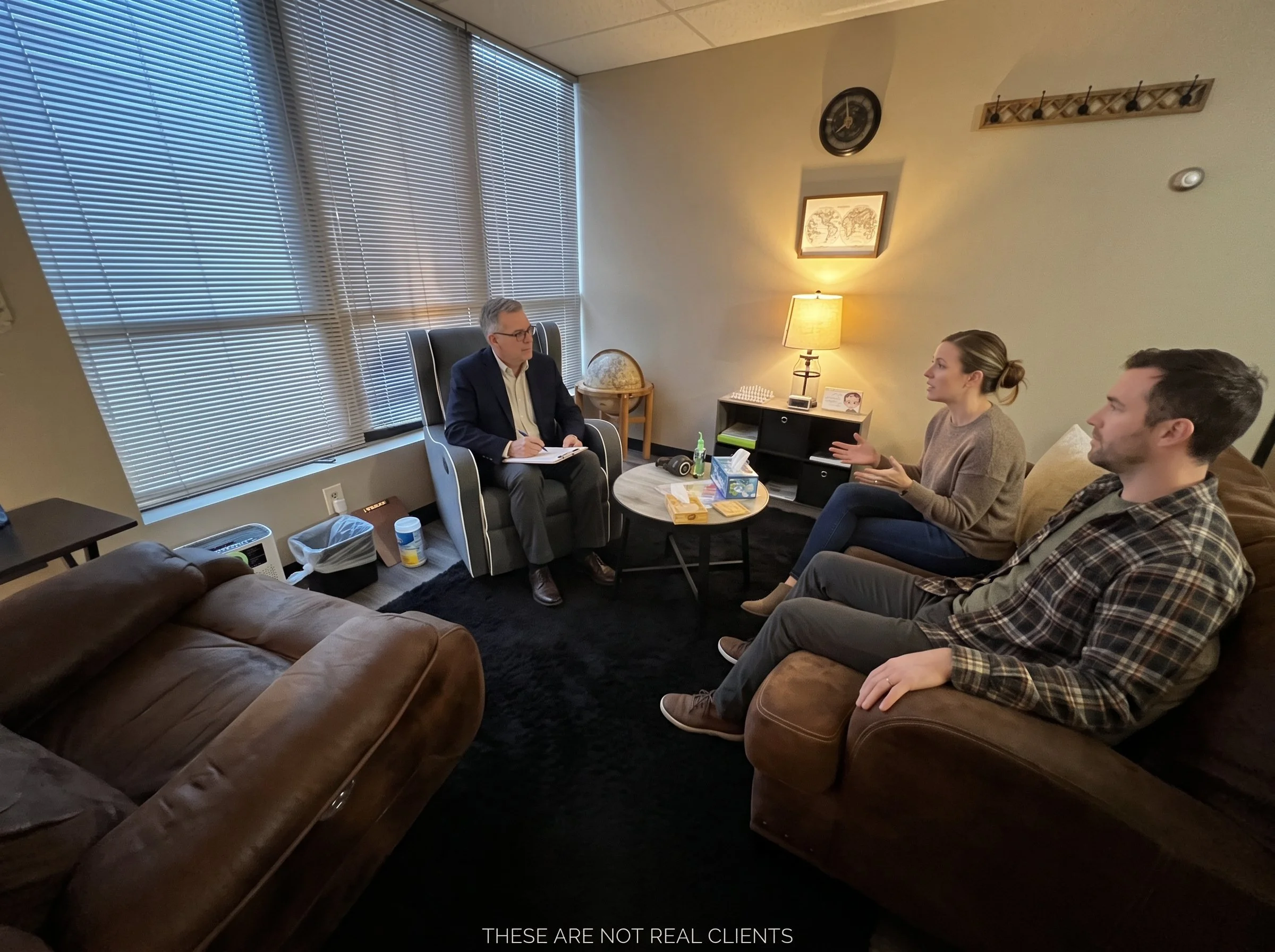
When life becomes overwhelming, it is natural to feel as though you are carrying the weight of the world alone. Whether you are navigating the aftermath of a traumatic event, feeling stuck in chronic cycles of anxiety and depression, or struggling to maintain healthy relationships, deciding to seek help is a profound step toward reclaiming your well-being. At At Ease Counseling Services, we specialize in providing accessible, inclusive, and highly effective outpatient mental health care.
Outpatient therapy is designed to provide you with consistent, structured, and compassionate support while allowing you to maintain your daily life. Unlike inpatient or intensive residential programs, outpatient therapy means you attend scheduled appointments—either in our comfortable Oklahoma City office or securely online via telehealth—and then return to your home, work, and community. This model empowers you to take the insights, skills, and emotional regulation techniques you learn in the therapy room and practice them immediately in your real-world environment.
Who is a Good Client for Outpatient Therapy?
Outpatient therapy is ideal for individuals, couples, and families who are medically stable and safe but recognize that their current coping mechanisms are no longer working. You might be a good fit for outpatient counseling if you are:
A civilian, veteran, or active-duty service member struggling with lingering symptoms of trauma, PTSD, or acute stress.
An individual feeling weighed down by persistent sadness, anxiety, burnout, or a general sense of feeling "stuck".
A couple experiencing chronic conflict, a loss of intimacy, or difficulty navigating a major life transition together.
A family dealing with communication breakdowns, behavioral challenges, or navigating the complexities of divorce, grief, or neurodivergence.
Someone actively engaged in their life (working, going to school, parenting) who needs dedicated, professional support to manage emotional distress without disrupting their daily responsibilities.
Our Approach to Healing: Evidence-Based Modalities We believe that exceptional care requires specialized expertise. Mental health is deeply personal, and a one-size-fits-all approach is rarely effective. That is why our collaborative team of clinical specialists utilizes a diverse range of evidence-based therapies, allowing us to tailor your treatment plan directly to your unique needs, history, and goals.
Cognitive-Behavioral Therapy (CBT):
Sometimes, the way we perceive a situation is more distressing than the situation itself. CBT is a highly practical, goal-oriented therapy that we often describe as “getting in the dirt.” It focuses on uncovering the complex mechanics of how your mind works day-to-day. A CBT therapist will help you identify cognitive distortions—unhelpful or inaccurate thinking patterns that create anxiety and depression—and teach you how to reevaluate them against reality. By understanding the direct connection between what you think, how you feel, and how you act, CBT equips you with actionable problem-solving skills to manage difficult situations and build enduring self-confidence.
Eye Movement Desensitization and Reprocessing (EMDR):
When an individual experiences a traumatic event, the brain’s natural coping mechanisms can become overwhelmed, causing the memory to become "stuck" in the emotional center of the brain. This can lead to vivid flashbacks, hypervigilance, and intense physical reactivity long after the danger has passed. EMDR is an extensively researched, highly effective psychotherapy that we refer to as “processing from a bird’s-eye view.” Rather than requiring you to talk extensively about the traumatic event, EMDR uses guided bilateral stimulation (such as eye movements or tapping) to help your brain safely digest and reprocess the memory. This reduces emotional reactivity, mends attachments, and supports recovery from PTSD, anxiety, and panic disorders.
Dialectical Behavioral Therapy (DBT):
For individuals who experience emotions very intensely, traditional therapy can sometimes feel insufficient. DBT, which we think of as the tool for “calming down,” is a specialized form of cognitive-behavioral therapy that incorporates the principles of mindfulness. It focuses heavily on teaching actionable skills across four key areas: distress tolerance (how to survive a crisis without making it worse), emotional regulation (how to manage intense feelings), interpersonal effectiveness (how to ask for what you need and set boundaries), and mindfulness (how to stay present in the moment). DBT is incredibly effective for identifying and changing negative thinking patterns while promoting positive, sustainable behavioral change.
Clinical Hypnotherapy:
Clinical hypnotherapy is often misunderstood due to its portrayal in entertainment. In a therapeutic setting, we view hypnotherapy as a way of “sprouting new what-ifs.” It is a state of deeply relaxed, focused attention. You are never unconscious or out of control; rather, your mind becomes more open to positive suggestions and guided imagery. This modality is highly effective for helping individuals gain control over undesired behaviors, manage chronic pain, reduce severe anxiety, and access deeper emotional insights that might be blocked by the conscious, analytical mind.
Talk Therapy and Family Systems Therapy:
Sometimes, healing requires the profound experience of simply being heard. Traditional talk therapy focuses on “expressing and processing.” It provides a safe, confidential space to explore complex thoughts and emotions, helping you navigate life challenges and build self-esteem.
When working with multiple people, we utilize Family Systems Therapy to focus on “understanding the ecosystem.” This approach views the family as an interconnected unit. Rather than placing the "blame" on one individual, it examines the relational dynamics, communication loops, and inherited patterns within the family to resolve conflict, improve communication, and foster healthy boundaries for everyone involved.
Gottman Method Couples Counseling:
Relationships require maintenance, and even the most loving couples can find themselves trapped in gridlock. The Gottman Method is a highly structured, research-based approach focused on “building a new pattern.” Based on decades of observational research, this therapy begins with a thorough assessment of the relationship’s strengths and weaknesses. The goals are clear: to disarm conflicting verbal communication, increase intimacy and affection, remove barriers that create a feeling of stagnancy, and cultivate a heightened sense of empathy and understanding within the context of the partnership.
Taking the First Step
Healing is not a linear process, and you do not have to have all the answers before you begin. At At Ease Counseling Services, our goal is to meet you exactly where you are, providing the specialized tools, compassionate guidance, and clinical expertise needed to help you move forward. Whether you require the structured skill-building of DBT, the trauma-focused relief of EMDR, or the relational repair of the Gottman Method, we are here to support you in building a life that feels authentic, balanced, and at ease.